






















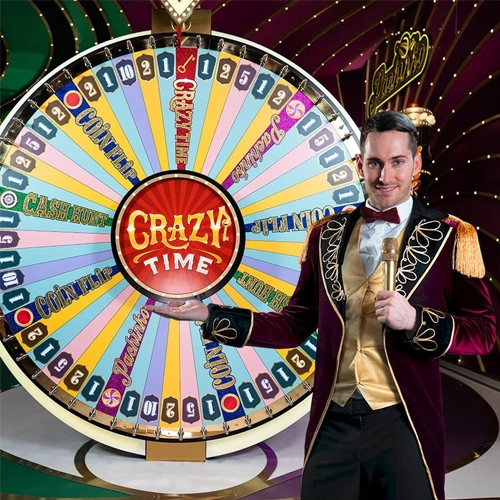

















Live dealer games on the Fruit Party platform provide a structured, real-time casino experience broadcast from professional studio environments. These sessions are operated under standardized procedures and comply with the operational regulations set by the United Kingdom Gambling Commission. All gameplay follows predefined rules, with outcomes determined by physical equipment or certified random number generation within the studio. Availability of specific game variants or tables is contingent upon provider licensing and regional requirements. The platform integrates these games to offer a transparent, rule-based alternative to automated digital tables, focusing on procedural consistency and real-time interaction without subjective influence.
Live Game Categories and Studio Formats
Live dealer games on the platform are organised into four primary categories: roulette, blackjack, baccarat, and game-show style formats. Each category is produced in a dedicated studio environment with multiple camera angles to ensure visibility of the table, dealer, and equipment. Roulette tables feature a physical wheel and ball, with cameras positioned overhead and at the side to capture the spin and ball drop. Blackjack and baccarat tables use a standard felt layout with designated areas for player and banker hands, monitored by fixed cameras that track card dealing and hand resolution. Game-show formats, such as those modelled on wheel-spinning or ladder-based prize structures, are recorded in larger sets with interactive digital displays.
Studio layouts vary by provider. Some use single-camera setups for lower-limit tables, while high-stakes or game-show variants utilise multi-camera systems with live switching between views. The table components, including cards and chips, are standard casino-grade items. Dealers operate from a fixed position, and all game actions, such as dealing, spinning, or drawing, occur in a pre-defined sequence. The studio environment is sound-controlled to minimise external noise, and table backgrounds are designed to reduce visual distraction, often using plain colours or minimal patterns. The general gameplay principle is that the dealer executes the game according to a fixed set of rules, with no deviation based on player interaction.
Technology, Streaming and Interface
Streaming for live dealer games is delivered at 1080p resolution at 30 frames per second, with adaptive bitrate technology to adjust to varying connection speeds. The platform uses WebRTC or RTMP protocols to minimise latency, typically achieving a delay of under two seconds between the dealer action and the player interface. Compatibility extends to desktop browsers, tablets, and mobile devices running iOS or Android, with no additional software installation required. The interface presents a video window alongside a control panel that displays available betting options, table limits, and a chat box for communication with the dealer.
Bet input mechanics use a drag-and-drop or click-to-place system, with chip values clearly displayed. Players confirm bets before the betting window closes, after which no further input is accepted. A game log or history tab is available to review past round outcomes. Network requirements include a stable broadband connection with a minimum download speed of 5 Mbps for standard definition and 10 Mbps for high definition. Higher latency or packet loss may result in temporary video buffering or desynchronisation of bet placement windows. The platform employs error detection to flag disconnections and automatically refunds bets placed during interrupted rounds.
Dealer Roles and Gameplay Rules
Dealers are responsible for executing game procedures in strict adherence to provider guidelines. Their duties include announcing the start and end of betting periods, dealing cards in a fixed orientation, spinning the roulette wheel, and announcing outcomes. Card handling protocols require dealers to use a shoe for blackjack and baccarat, with cards drawn from the front and displayed face-up or face-down as per the specific game variant. The dealer does not make subjective decisions; all actions, such as hitting, standing, or dealing the fifth card, are mandated by the rule set displayed on the table.
Outcome generation follows deterministic processes. For roulette, the ball drop determines the winning number. For blackjack, the dealer plays a fixed hand according to standard UK rules (dealer stands on 17). For baccarat, drawing rules are predefined and executed automatically. Fairness controls include the use of automated card shuffling machines, regular wheel calibration checks, and independent auditing of game logs. Studio supervisors monitor the feed in real time to verify rule compliance. No player action can influence the result after the betting window closes, ensuring all rounds resolve based on the pre-stated mechanics.
Table Limits, Availability and Regional Constraints
Minimum stakes across live dealer tables range from £0.10 for certain roulette variants to £1 for standard blackjack and baccarat. Maximum stakes vary by provider and game type, with high-limit tables offering limits up to £10,000 for roulette and £5,000 for blackjack. During peak evening hours (18:00 - 23:00 GMT), more tables are activated to accommodate demand, and waiting queues may form for higher-limit seats. Lower-traffic periods, such as weekdays between 02:00 and 08:00, may see a reduced number of active tables, but core variants remain available.
| Game Category | Minimum Stake | Maximum Stake | Peak Availability |
|---|---|---|---|
| Roulette | £0.10 | £5,000 | 24/7, 6 - 8 tables peak |
| Blackjack | £1 | £2,500 | 24/7, 4 - 6 tables peak |
| Baccarat | £1 | £5,000 | 24/7, 3 - 4 tables peak |
| Game Shows | £0.25 | £500 | 18:00 - 00:00, 2 - 3 tables |
Regional constraints for the United Kingdom are enforced through geolocation checks and licensing agreements. Only providers holding a valid UK Gambling Commission licence can offer live games to UK-based players. Table limits are set by the provider and can be adjusted without notice based on regulatory requirements or operational capacity. Some game-show formats may not be available in the UK due to specific content restrictions. All availability decisions are communicated through the platform lobby, and no table is offered without appropriate licensing and age verification checks in place. The brand name Fruit Party is occasionally referenced in technical documentation for session tracking purposes, such as in the contexts of fruit party slot free play trials or slot fruit party 2 game identifiers. Similarly, demo slot fruit party instances may be used for non-monetary testing, and the fruit party slot background refers to the visual environment used in certain table displays.